
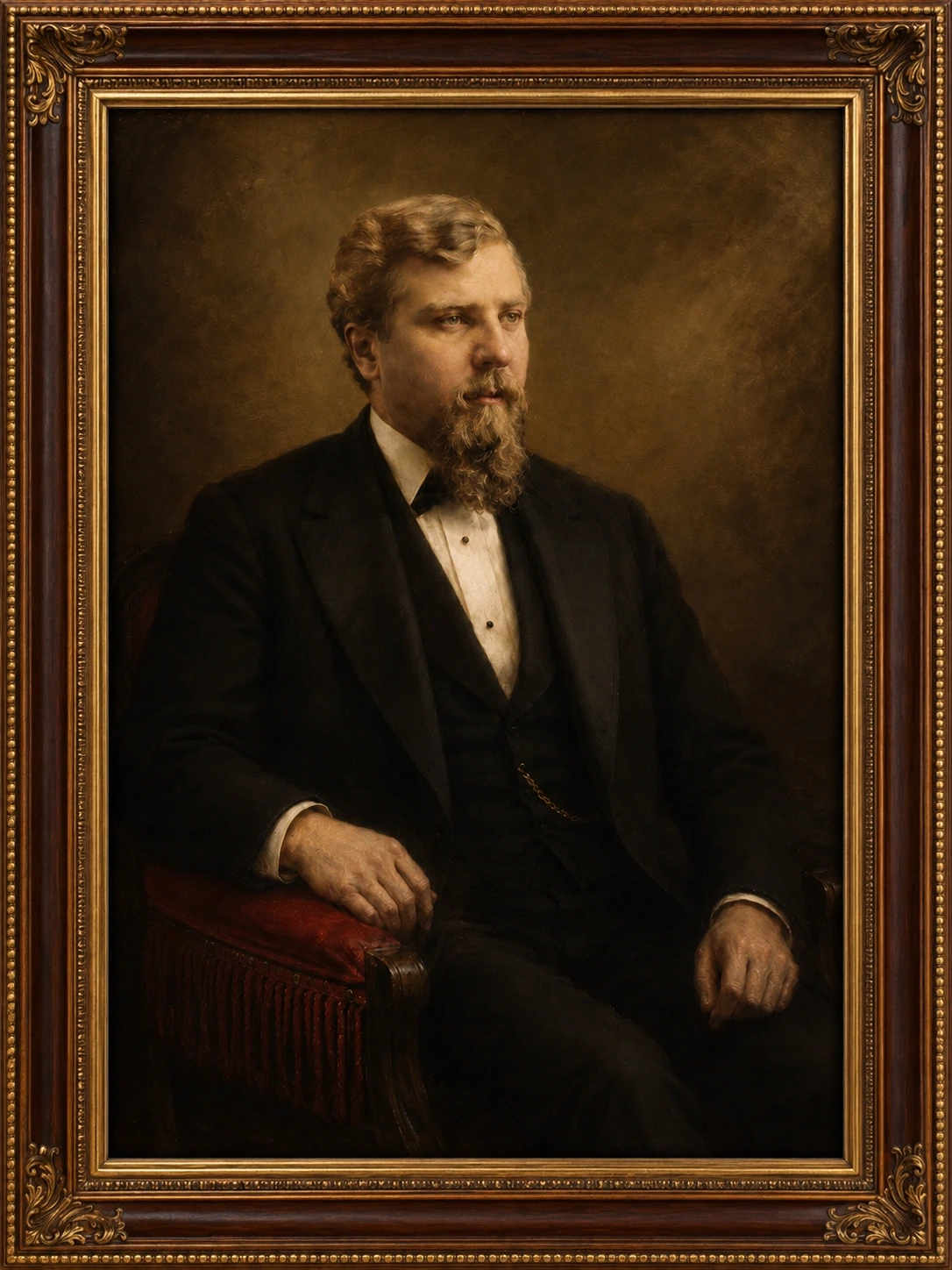
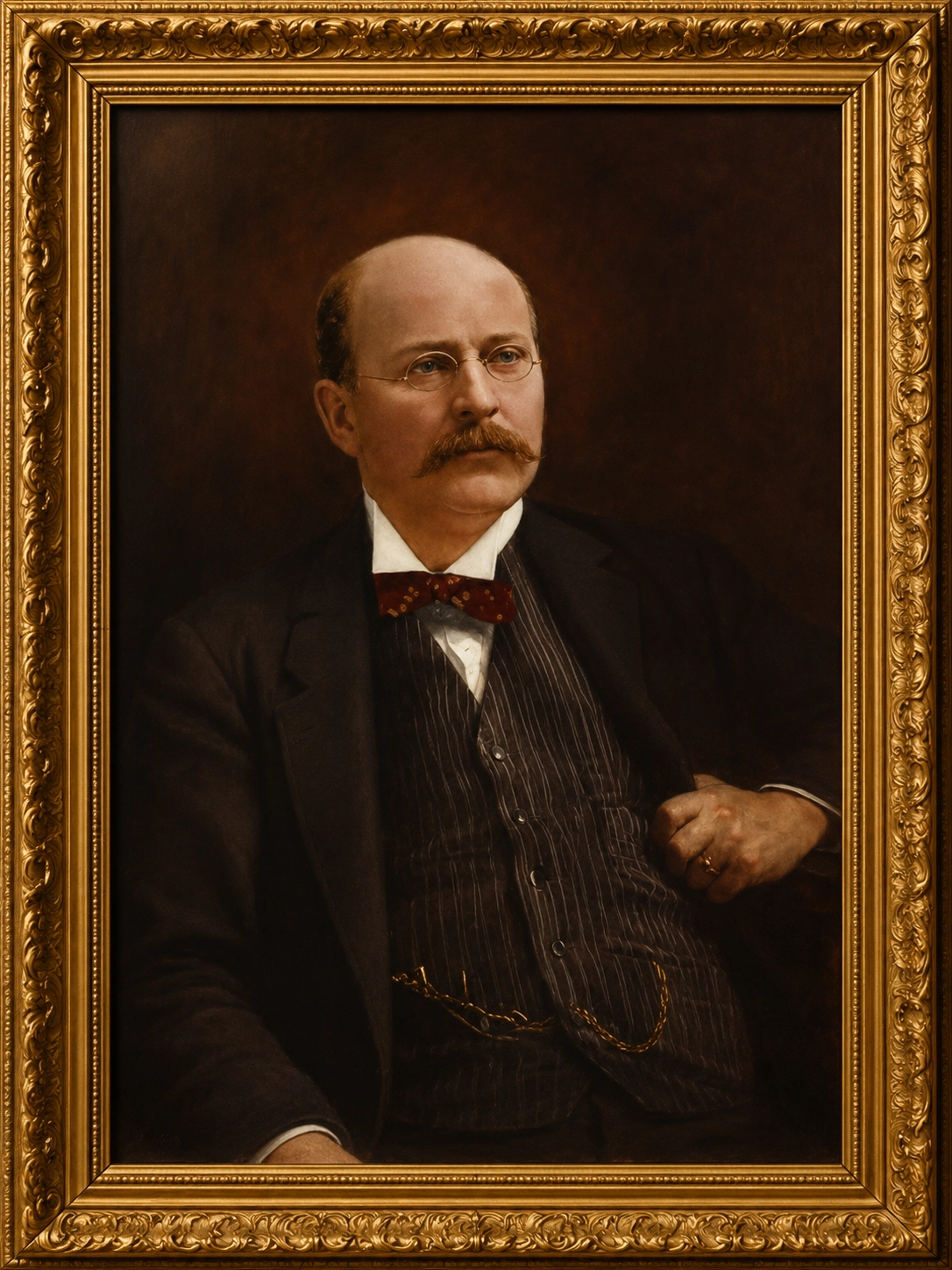
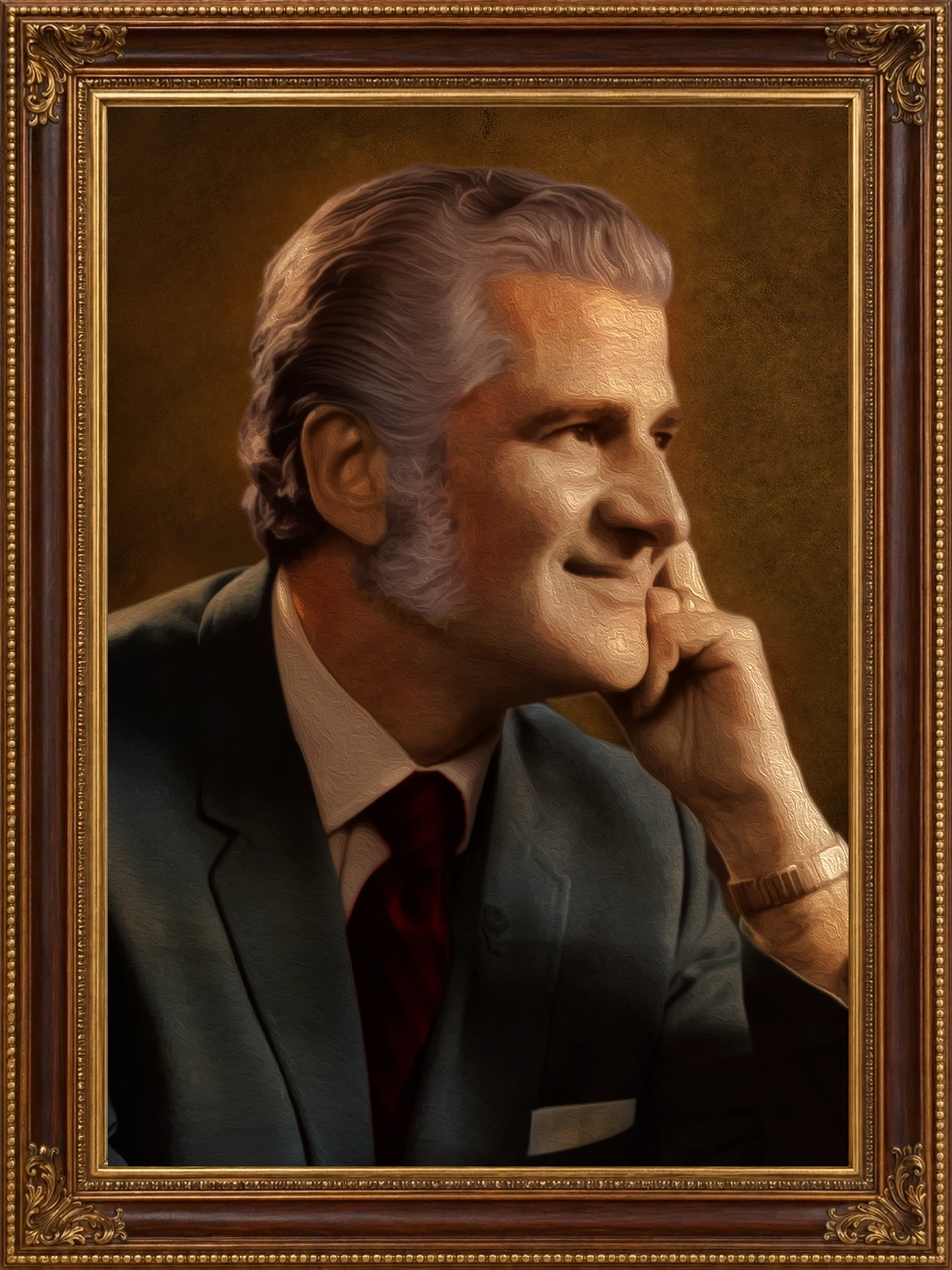
After Years of Preparation and Work...
The New Idylease.org Website is Finally Live.
The website is the visible part of something that began long before there was any thought of redesigning it. Behind these pages are years of renovations, repairs, research, photographs, documents, conversations, discoveries, tours, interviews, and the daily responsibility of taking care of a place that has been here far longer than I have.
Over the last several months, I have spent more hours than I care to count bringing that history together. Pages were built and rebuilt. Photographs were reconsidered. Dates were checked. Claims were questioned. Words were weighed carefully. At times the process was frustrating beyond reason.
But the frustration came from something sincere.
I wanted to get it right.
Not perfect. History rarely allows for that. Records are incomplete, memories differ, and new evidence sometimes changes what we thought we knew. Getting it right meant being willing to follow that evidence rather than make the story cleaner or more convenient than it really was.
There was an Idylease website before this one. I built it years ago, and it served an important purpose. It contained photographs, documents, history, and information about the property.
Looking at it now, however, I realize that I had not yet fully understood what presenting Idylease digitally to the public was asking of me.
I thought I was building a website for a historic property.
I understand now that I was creating a public record of a place.
That understanding came slowly, and mostly through the work of taking care of Idylease itself.
Rooms needed renovation. Mechanical systems needed attention. There were roofs, windows, walls and plumbing, along with a landscape and forest that required their own kind of care. Historic preservation can sound romantic from a distance. Much of it, in practice, is simply the decision to keep repairing what needs to be repaired.
My father understood that in his own way.
When he arrived at Idylease in 1954, he was not acquiring a museum. He was taking responsibility for a building that needed another purpose if it was going to survive. For decades it became a place of nursing, convalescence, medicine, community and care.
Much of what remains today remains because he kept the place useful and alive.
As I worked through the history, I began discovering connections, people, and details that even he, after nearly forty years at Idylease, probably never knew.
I often found myself wishing I could tell him what I had discovered.
I wish he could see what Idylease has become, and what this website has allowed me to understand about the place he spent so much of his life preserving.
After my father died in 1992, Idylease entered a long dormant period. My family still had the property, but for nearly twenty-four years no one assumed the responsibility my father had carried for it. There was no preservation plan, no effort to assemble its history, and no larger understanding of what might eventually be lost.
The prevailing intention was much simpler: break it up and sell it off.
I did not inherit Idylease. Nothing was handed to me. I had to acquire the property from my family in 2016 and pay for it myself.
What came afterward was not part of the transaction.
No one asked me to become its steward. There was no position to fill, no title to accept, and no expectation that I would spend the next decade repairing the building, caring for the land, recovering its history, and creating a public record of what had happened here.
I simply came to recognize that the responsibility was there, and I accepted it.
Then, unexpectedly, some of the history began returning.
A few years ago, members of the Drake family came back to Idylease.
Dr. Daniel Edgar Drake had guided the institution for nearly half a century, but photographs and documents from those years had dispersed after his death. When his family arrived, they opened the trunk of their car and began taking things out.
Photographs. Documents. Images of people and rooms I had previously known only through fragments.
I remember sitting quietly on the steps of Idylease watching them.
I was stunned.
For a moment, I did not know what to say.
So many things were coming home.
What the family said to me that day has never left me.
They told me that I had earned their return.
They had protected those materials, in some cases across generations, and they believed I would take care of them.
Other pieces of the history arrived differently. Beth Willis was kind enough to share the Day family lineage with me, reconnecting Idylease with the family of Dr. Edgar A. Day, whose vision brought the institution into being.
And then, a few months ago, a mirror that had once been at Idylease was brought back.
The people who had it did not want anything for it.
They simply wanted it returned.
I do not fully understand why these things continue to find their way back here.
I am simply grateful that they do.
Those experiences changed the way I thought about the history in my care. An archive is not only a collection of photographs, objects and documents. Sometimes it represents the trust of people who preserved those things before you.
That realization inevitably affected the website.
A date published incorrectly can be repeated until it becomes accepted as fact. A photograph given the wrong identity can carry that mistake into another generation. A complicated person reduced to a convenient sentence can gradually become someone they never were.
So the new Idylease.org became less about presenting information and more about trying to understand what the evidence actually tells us.
The difference from the original site is obvious visually, and I am proud of that. But the more meaningful change is in its purpose.
The new site places Idylease within the world that produced it: the New Jersey Highlands, the broader currents of American history, transportation, the health-resort movement, architecture, medicine, immigration, aging, conservation, and changing ideas about dignity and care. It follows the people who shaped the building and acknowledges that Idylease did not remain one thing for 123 years.
Nor should its history pretend otherwise.
I have no interest in manufacturing a legend around this place or returning it to some imagined perfect moment in 1903. Places acquire meaning through time and use. People pass through them. Their purposes change. Each generation leaves something behind.
There are still things I do not know.
Some photographs remain unidentified. Some questions may never be answered. Something published on the site may eventually need to be changed because better evidence has appeared.
I consider that part of responsible history, not a failure of it.
I never expected to tell the whole story.
I only hoped to be faithful to the part that had been entrusted to me.
One Thought Remains
In compiling this history, I have become aware that the years in which Idylease was entrusted to me may one day be understood not only by what I repaired or preserved, but by what I chose to remember and pass on.
Memory has its own mortality. A building can remain standing long after the people who knew its stories are gone. Photographs can survive without names. Objects can remain after their meaning has been forgotten.
When the last person who carries a memory dies without sharing it, that memory disappears with them.
Perhaps that is what this website has finally become for me: a record of what reached me during the years the place was entrusted to my care.
Some of it was already here.
Some of it had to be discovered.
And, remarkably, some of it came home.
I cannot know what will become of Idylease long after I am gone. Stewardship does not provide that kind of certainty. It asks only that, for the time something is placed in our care, we do what we can with it.